
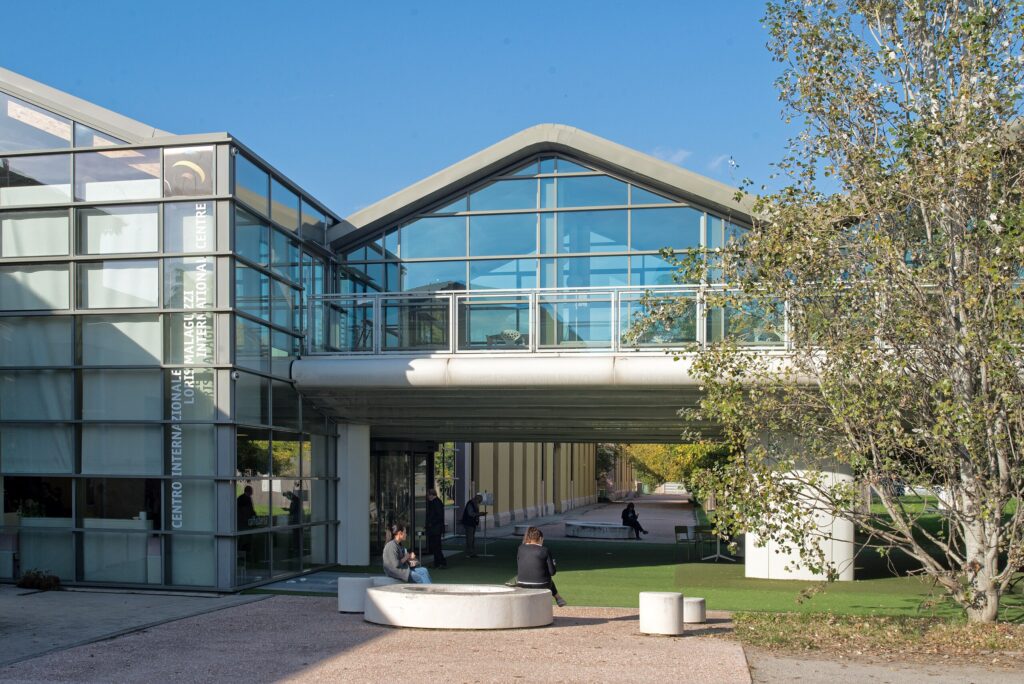
This week, Shelly and Louise are finally in Italy, attending a Reggio Emilia conference at The Loris Malaguzzi International Centre – an experience Shelly has been waiting more than 19 years to do! Needless to say, it’s been a pretty special start to their trip.
They’ve already had the chance to visit Panda Nursery School and La Villetta Preschool, where they saw the Reggio Emilia approach unfolding in real classrooms. Watching the way children, staff, and the environment work together—almost like a conversation—made the philosophy feel incredibly alive and genuine. It’s the small, everyday moments that seem to hold the most magic.
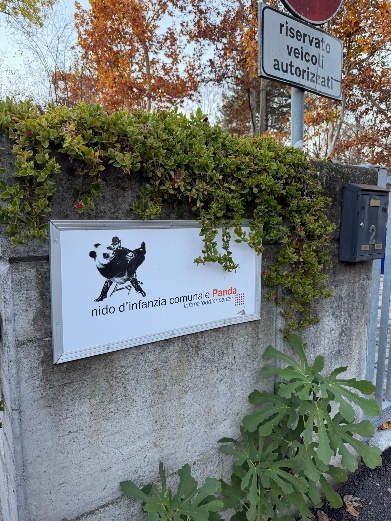
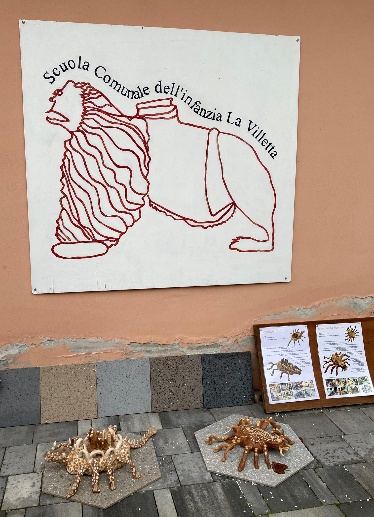
Shelly and Louise are soaking up ideas, inspiration, and lots of photos to bring back and share with our community.
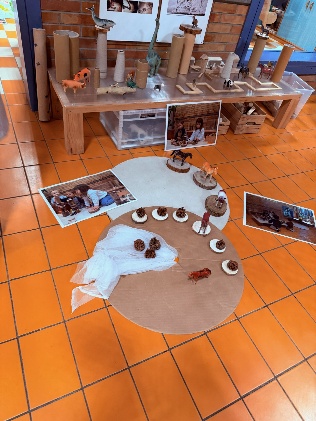
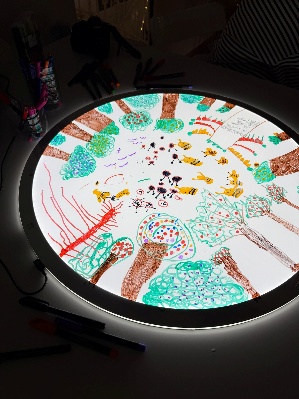
What Is the Reggio Emilia Approach?
The Reggio Emilia approach is an educational philosophy that views children as capable, curious, and full of potential. Learning happens through exploration, creativity, relationships, and hands-on experiences. Educators, families, and the environment all play an active role in shaping children’s learning journeys.
Why It’s an “Approach” and Not a “Model”
Reggio Emilia isn’t a model because it’s not something you can copy step-by-step. There’s no set script, programme, or curriculum to follow. Instead, it’s an approach—a way of thinking and working with children that each pre-school shapes to fit its own community, culture, and context.
At its heart, Reggio is about responding to children, not ticking boxes. That flexibility—and the belief that learning is deeply connected to the people and the place—is what makes it an approach rather than a model.
